CINaM

  • The Center
    • Presentation
    • Platforms
    • Core services
    • Directory
    • Contacts / Access
  • Research
    • Departments
    • CINaM Publications
    • International Collaborations
    • Working groups
  • Education
    • Presentation
    • Training courses
    • Ouvrages
    • Science for All
  • Valorisation
    • Start-­up
    • Patents
    • Industrial contracts
  • Events
    • Seminars
    • Conferences
en
  • fr
  • en
  • Recherche

18 September 2018

Properties of nanomaterials

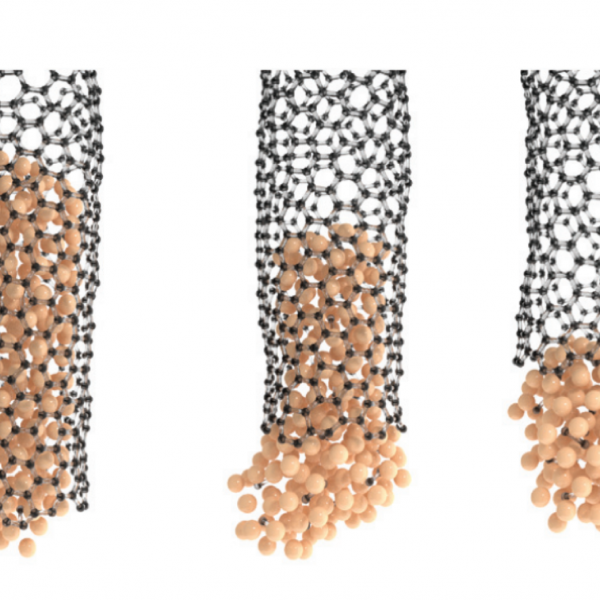
This research topic is integrated into the CINaM’s themes by dealing with the synthesis and properties of nanometric materials such as nanoparticles, aggregates, nanotubes and molecules, in interaction with their environment. A first research direction concerns the modelling of material kinetics, and more particularly the selective synthesis of carbon nanotubes. A second research direction consists

12 September 2018

X-Ray Diffraction

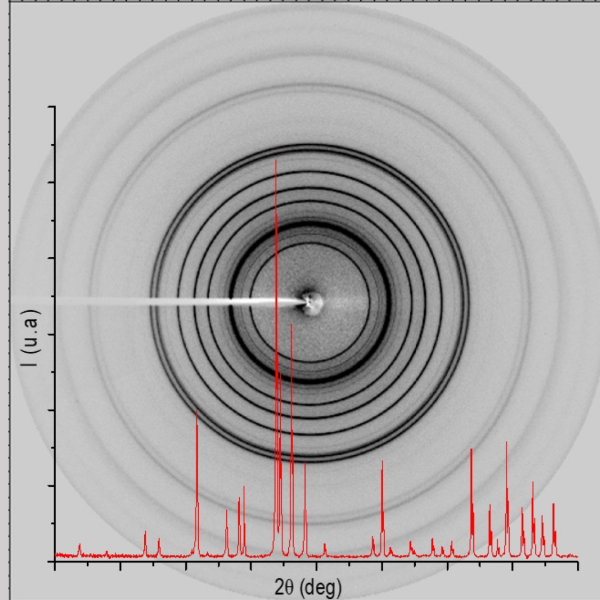
The “X-ray diffraction”,XRD, service is located in the L3 and the staff consists of an IR2, the person in charge of the service. It provides services and user training in the field of XRD, X-Ray reflectivity (XRR), as well as small-angle X-ray scattering (SAXS). It tries to offer an answer to the quite varied requests

18 August 2018

Tissue self organisation and development

Topology and dynamics of ciliated epitheliums. Principal investigators: E. Loiseau, A. Viallat, PhD student: A. Baby From swimming microorganisms to major organs including the brain, the respiratory system and the reproductive tracts, ciliated cells are ubiquitous in living systems. Their multiple active cilia continuously consume chemical energy and beat unidirectionally to ensure biological functions of

12 August 2018

Informatics

The department is in charge of the development and maintenance of digital tools. It ensures the proper functioning of the networks and administers the common resources of the laboratory: Centralized storage Backups Network applications Database Calculators Telephony Security It provides assistance to users and to monitoring and computer equipment. The team is made up of

18 July 2018

Wetting & Interfaces

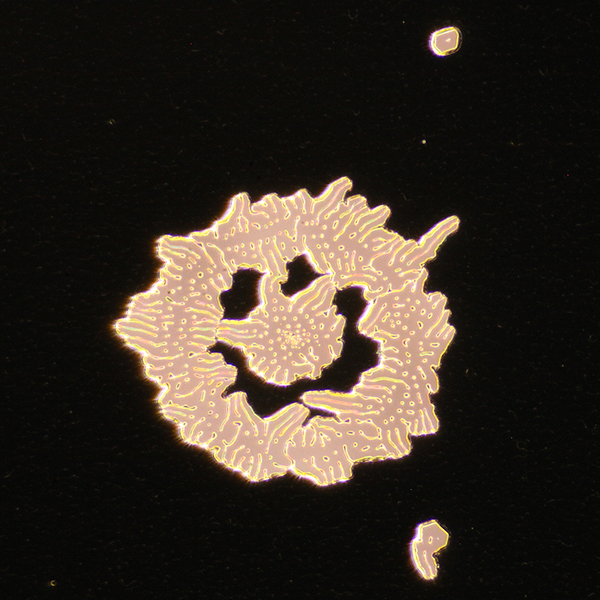
We focus on the properties (thermodynamic, crystallographic and atomistic) of solid-solid interfaces and grain boundaries in inorganic materials, and their impact on wetting and thin film stability. We are interested in understanding the anisotropy of solid/solid interfaces and how it impacts the properties of multiphased and polycrystalline materials. We perform basic research to frame the

18 July 2018

Biomolecules and Biomaterials

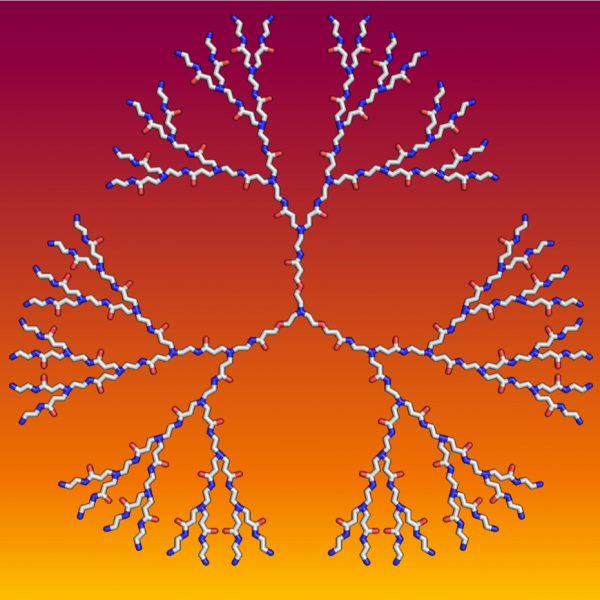
Our group works at the interface of chemistry and biology and is mainly dedicated to the development of chemical probes to understand biological events, the discovery of bioactive molecules and biomedical applications based on dendrimeric nanotechnology. Molecular engineering of dendrimer nanosystems for biomedical applications The application of nanotechnology to engineer nanovectors for drug delivery is

18 June 2018

Nano SPM

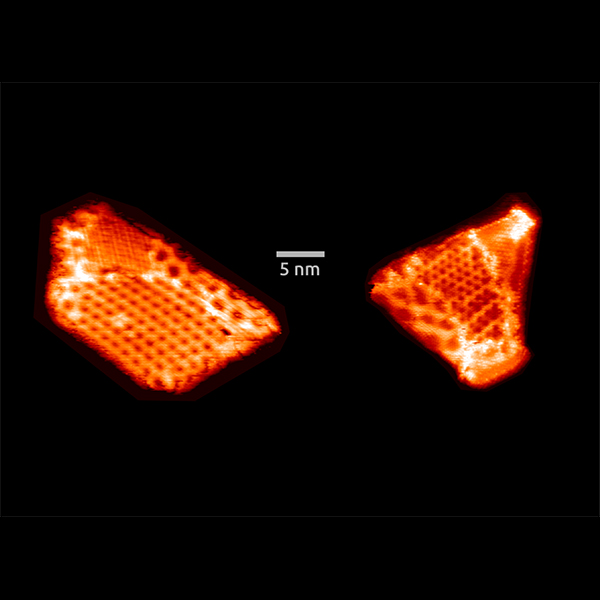
The NanoSPM group (Nanoparticles, oxides and SPM) has a long-time experience in the characterization of insulating (oxide) surfaces (bulk and thin film material) and supported metal nanoparticles (NP), which are studied by scanning tunneling microscopy (STM), and in particular by noncontact AFM (nc-AFM) and Kelvin probe force microscopy (KPFM). The morphology, atomic structure, defects and

18 June 2018

Chromophores and Macrocycles

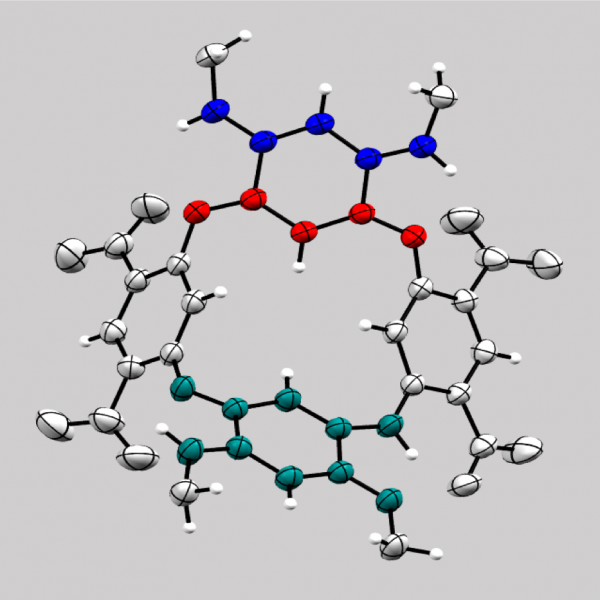
Our researches are focused on three main axes: (1) near-infrared chromophores, (2) molecular sensors and (3) surface coating and engineering. 1. Near-infrared (NIR) chromophores The access to highly conjugated chromophores exhibiting optical properties in low energies spectral regions (near-infrared, 750-3000 nm) is at the core of our activities since 2013. This domain is highly important,

18 May 2018

PIALA

Shared platform with the laboratory Lasers, Plasmas et Procédés Photoniques (LP3)

18 April 2018

Chemical Nanostructuring of Advanced Materials

The team works on nanomaterial synthesis and surface nanostructuring using chemical methods. This involves synthesizing nanoparticles using colloidal methods and organometallic reactions, and developing thin films using sol-gel methods or atomic layer deposition (ALD). Surface structuring is carried out using bottom-up techniques (e.g., electrochemistry, self-assembly) or top-down techniques (e.g., assembly, nanoimprinting). To understand, improve, and
Posts navigation

Previous page Page 1 … Page 3 Page 4 Page 5 Next page
  • Home
  • Contact / Access
  • Legal
  • job opportunities
  • Intranet

© 2026 CINaM